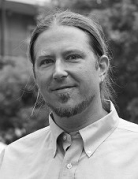

Erik started in biological anthropology, earning an undergraduate degree from the College of Wooster and a graduate degree from The Ohio State University, before being transfixed by Big Questions that scientists seemed reluctant to address. After a stint in the world of corporate web design, Erik found a niche in History and Philosophy of Science at the University of Notre Dame. His 2010 Ph.D. dissertation, “Finding Mind, Form, Organism, and Person in a Reductionist Age” followed the intermingled lives and intellectual trajectories of anthropologist Gregory Bateson and developmental biologist C. H. Waddington in pursuing a Third Way in the social and life sciences.
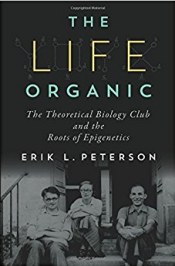
After joining the University of Alabama in 2013, Erik published articles and book chapters. But it wasn’t until pursuing the research for his 2017 book The Life Organic that he fully grasped the degree to which multiple generations of scientists and philosophers have attempted to refine and revive Third Way thinking through the last century and a half. While the concepts might feel new to us today, they have a long pedigree. Truly we stand on the shoulders of giants.
Erik’s most recent book-length project delves back into the history of biology and anthropology alongside Jim Bindon, professor emeritus of physical anthropology. Together, Peterson and Bindon are investigating the prospect that the Third Way thinking that underlies epigenetics could revolutionize our contentious theories of human race.